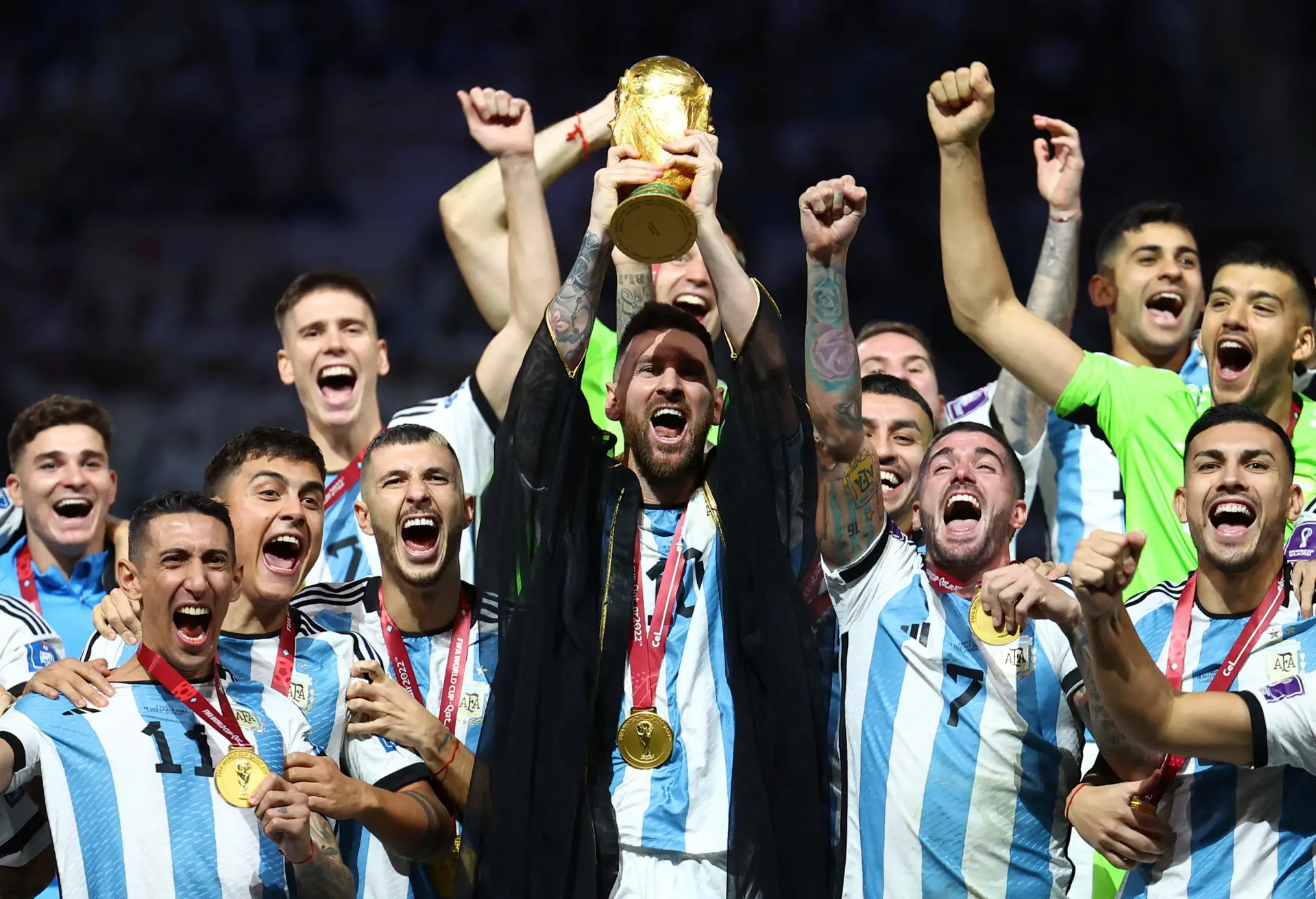
The 2026 World Cup final ended with Spain lifting the trophy after a 1-0 victory over Argentina. However, the match continued to attract attention after the final whistle because of clashes involving Argentina players, staff, and Spain players. These incidents have now led FIFA to take formal disciplinary action.
The governing body has opened FIFA disciplinary proceedings against Argentina over incidents that occurred after the final and during other matches throughout the tournament. FIFA appointed a disciplinary and ethics prosecutor to examine the events and review possible breaches of its disciplinary rules.
Several Argentina players and an assistant coach face investigations over alleged misconduct. The Argentine Football Association also faces proceedings linked to issues such as discriminatory chants, inappropriate messages, late kick-offs, and objects thrown by spectators.
The proceedings could result in suspensions or other disciplinary measures. FIFA’s disciplinary code sets different minimum penalties depending on the nature of the alleged offence.
This article explains what happened, which players face investigation, what FIFA’s rules say, and what the proceedings could mean for Argentina.
Why Did FIFA Open Disciplinary Proceedings Against Argentina?
FIFA opened disciplinary proceedings after incidents involving Argentina players and staff following their World Cup final defeat to Spain.
Spain won the final 1-0 at the New York New Jersey Stadium. After the final whistle, several Argentina players and members of the backroom staff became involved in altercations with Spain players.
The incidents prompted FIFA to appoint a disciplinary and ethics prosecutor. The prosecutor reviewed the available information before recommending further investigations.
The review does not focus only on the final. FIFA is also examining potential disciplinary breaches during other Argentina matches at the tournament.
These proceedings cover several areas under FIFA’s disciplinary code. They include alleged assault, unsporting behaviour, discriminatory conduct, inappropriate demonstrations, team misconduct, and breaches of order and security.
The investigation allows FIFA to examine the incidents formally and determine whether the individuals or association breached its rules.
Which Argentina Players Face Investigation?
Several Argentina figures face individual investigations following the prosecutor’s recommendation.
FIFA will investigate Nahuel Molina on two alleged counts. The investigation also covers Leandro Paredes on three alleged counts.
Argentina assistant coach Roberto Ayala faces one alleged count of assault under Article 14 of FIFA’s disciplinary code.
Molina could also face action over an alleged case of unsporting behaviour under the same article.
The investigations involve allegations rather than final findings. FIFA’s disciplinary process will determine whether the individuals committed the alleged offences and what sanctions, if any, should follow.
Spain midfielder Gavi and Argentina team-mate Thiago Almada also face allegations involving unsporting behaviour.
The proceedings therefore involve individuals from both teams, while FIFA separately examines the conduct of the Argentine Football Association across the tournament.
What Happened After the World Cup Final?
The tension increased immediately after Spain secured a 1-0 victory over Argentina.
Following the final whistle, players and staff from both sides became involved in confrontations. Images from the stadium showed Argentina players and teammates attempting to separate people during the disturbance.
FIFA later appointed a disciplinary and ethics prosecutor to assess the incidents.
The investigation focuses on conduct that may fall under FIFA’s disciplinary regulations. The governing body can review individual behaviour and team-related incidents separately.
For Argentina, the post-match events form one part of a wider disciplinary case. FIFA is also examining incidents from other matches during the tournament.
The final attracted significant attention because Spain secured its second World Cup title. However, the post-match confrontation created another major storyline around the tournament’s closing moments.
FIFA’s disciplinary process will now determine whether the reported actions breached its rules.
What Does FIFA’s Disciplinary Code Say?
FIFA’s disciplinary code establishes penalties for different forms of misconduct.
Under Article 14, unsporting conduct can lead to a minimum one-match suspension for players and officials. Alleged assault carries a more serious minimum penalty of at least three matches.
The exact punishment can depend on the offence, the evidence, and the circumstances surrounding the incident.
This distinction matters in the Argentina case because FIFA is examining more than one type of alleged misconduct.
For example, Molina faces an alleged unsporting behaviour charge in addition to the alleged assault-related investigation. Paredes and Ayala face allegations linked to assault.
FIFA will consider the evidence before reaching disciplinary decisions.
The proceedings therefore do not automatically mean that every person under investigation will receive a suspension. The disciplinary process must establish whether the alleged breaches occurred.
What Other Issues Is FIFA Investigating?
The FIFA disciplinary proceedings against Argentina extend beyond the incidents after the final.
The Argentine Football Association faces proceedings over potential breaches during several matches. FIFA is examining possible violations involving demonstrations of a non-sporting nature, team misconduct, discrimination and racist abuse, and match security.
These matters fall under several articles of FIFA’s disciplinary code.
Article 13 covers demonstrations of a non-sporting nature. Article 14 addresses team misconduct. Article 15 concerns discrimination and racist abuse, while Article 17 deals with order and security at matches.
The reported incidents include discriminatory chants and gestures, late kick-offs, inappropriate messages displayed by teams or spectators, and spectators throwing objects.
This means FIFA’s review covers both conduct on the pitch and behaviour connected to the wider match environment.
The association could therefore face disciplinary consequences separately from the individual investigations involving players and coaching staff.
What Happened With the Falkland Islands Banner?
Another incident under FIFA’s review involved a banner displayed after Argentina’s semi-final victory over England.
Argentina players celebrated the win with a banner supporting their country’s claim to the Falkland Islands.
The banner carried the words “Las Malvinas son Argentinas”, which translates as “The Falklands are Argentine”.
The issue attracted FIFA’s attention because its disciplinary rules restrict certain demonstrations of a non-sporting nature.
The governing body has been assessing match reports connected with the incident.
The banner forms part of the wider disciplinary review involving the Argentine Football Association. It is separate from the post-final confrontation involving Argentina and Spain.
The investigation highlights how FIFA’s disciplinary framework can cover different types of conduct during international competitions.
It also shows why the association’s case involves multiple alleged breaches rather than one single incident.
Could Argentina Players Receive Suspensions?
Players could face suspensions if FIFA establishes violations under its disciplinary code.
The potential punishment depends on the specific offence. FIFA’s rules state that unsporting conduct carries at least a one-match suspension, while assault carries at least three matches.
However, the opening of proceedings does not itself establish guilt.
FIFA must assess the evidence and determine whether the alleged breaches occurred. The disciplinary process can consider the circumstances of each incident before deciding on any sanctions.
The investigations involving Molina, Paredes, Almada, and other individuals therefore remain separate matters.
The final outcome could include disciplinary measures if FIFA confirms violations. The nature and length of any sanction would depend on FIFA’s eventual decisions.
For Argentina, the association also faces separate proceedings concerning conduct across several matches.
Why Are These Proceedings Important?
The case matters because FIFA’s disciplinary system applies to players, coaches, teams, associations, and spectators during international competitions.
Major tournaments involve strict rules covering player behaviour, discrimination, match security, demonstrations, and sporting conduct.
The Argentina case involves several of these areas at once. FIFA is reviewing incidents from the final as well as conduct reported during earlier matches.
The proceedings also show how post-match behaviour can lead to disciplinary scrutiny after a tournament ends.
For players, possible suspensions could affect their availability for future international fixtures. For the football association, any disciplinary measures could also create financial or sporting consequences.
At this stage, however, FIFA’s investigations remain ongoing. The final decisions will depend on the evidence and the findings reached through the disciplinary process.
What Happens Next in the FIFA Investigation?
FIFA will continue its disciplinary process after opening the proceedings.
The relevant authorities will examine the allegations, evidence, match reports, and other available information. The individuals and association involved can respond through the established disciplinary process.
FIFA will then determine whether disciplinary breaches occurred.
If FIFA confirms violations, it can issue sanctions under the relevant provisions of its disciplinary code. These measures could involve suspensions or other disciplinary penalties, depending on the offence.
The process also allows FIFA to treat different allegations separately. An investigation involving an individual player does not automatically determine the outcome of the wider case involving the Argentine Football Association.
For this reason, several decisions could emerge from the overall investigation.
Until FIFA reaches its decisions, the allegations should remain separate from any final disciplinary findings.
FIFA Proceedings and Argentina’s World Cup Campaign
Argentina’s disciplinary case covers events from different stages of its World Cup campaign.
The post-final confrontation represents one of the most visible incidents. However, FIFA is also reviewing alleged misconduct, discrimination, demonstrations, and security-related issues from other matches.
This broader scope means the case does not depend on one incident alone.
The Argentine Football Association must address the various allegations through FIFA’s disciplinary process. Meanwhile, individual players and officials must respond to the specific allegations connected to their conduct.
The situation demonstrates the importance of disciplinary rules at major international tournaments.
World Cup matches involve millions of viewers and intense competition. FIFA therefore maintains regulations that cover behaviour both during matches and around them.
The final decisions will clarify which allegations FIFA accepts and whether the relevant individuals or association face sanctions.
Frequently Asked Questions
Why did FIFA open proceedings against Argentina?
FIFA opened proceedings after incidents involving Argentina players and staff following the World Cup final against Spain. FIFA is also reviewing several other alleged disciplinary breaches from the tournament.
Which Argentina players are under investigation?
Nahuel Molina and Leandro Paredes face investigations linked to alleged assault. Molina also faces an alleged unsporting behaviour charge. Thiago Almada and assistant coach Roberto Ayala are also involved in the disciplinary proceedings.
What happened between Argentina and Spain?
Spain defeated Argentina 1-0 in the World Cup final. After the final whistle, players and staff from both teams became involved in altercations.
Can FIFA suspend the Argentina players?
Yes. FIFA’s disciplinary code allows suspensions for certain forms of misconduct. Unsporting conduct carries a minimum one-match suspension, while assault carries a minimum three-match suspension under the relevant rules.
What other issues is FIFA investigating?
FIFA is reviewing potential breaches involving demonstrations, team misconduct, discrimination and racist abuse, and match security. The review includes alleged discriminatory chants, inappropriate messages, late kick-offs, and objects thrown by spectators.
What did the Falkland Islands banner say?
The banner displayed after Argentina’s semi-final victory over England read “Las Malvinas son Argentinas”. The phrase translates as “The Falklands are Argentine”.
Has FIFA already punished Argentina?
The opening of disciplinary proceedings does not represent a final disciplinary decision. FIFA must complete its process before determining whether sanctions apply.
Conclusion
The FIFA disciplinary proceedings against Argentina cover several incidents from the 2026 World Cup. The most prominent issue involves the confrontation after Argentina’s 1-0 final defeat to Spain.
FIFA is investigating several Argentina players and assistant coach Roberto Ayala over alleged misconduct. Nahuel Molina and Leandro Paredes face investigations involving alleged assault, while Molina also faces an alleged unsporting behaviour charge. Thiago Almada and Spain midfielder Gavi also face an alleged unsporting behaviour breach.
The Argentine Football Association faces a wider disciplinary review. FIFA is examining potential issues involving demonstrations, team misconduct, discrimination, racist abuse, and match security.
The final outcome will depend on FIFA’s disciplinary process and the evidence available to investigators.
For football fans, players, and national associations, the case highlights the importance of maintaining sporting conduct throughout an international tournament. FIFA’s final decisions will determine whether the alleged breaches result in suspensions or other disciplinary measures.