
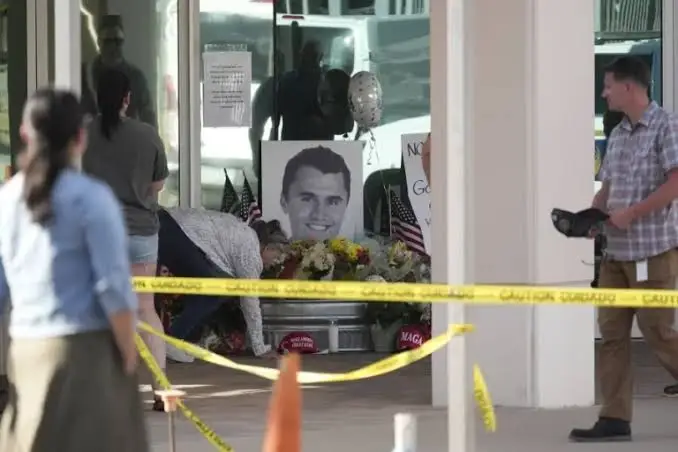
Social media posts can create serious consequences when political events trigger intense public reactions. That became clear after the fatal shooting of conservative activist Charlie Kirk in September 2025. Some Americans posted criticism of Kirk shortly after his death. Others mocked the shooting or celebrated it. Their posts quickly spread online, and some employers responded with suspensions, investigations, or dismissals.
The cases raised difficult questions about political expression, workplace rules, and free speech. They also showed how quickly a social media post can move beyond a private account and reach employers, colleagues, and the wider public.
For some workers, losing a job became the start of a long legal fight. Others faced online harassment and had to rebuild their careers. Several cases later produced settlements, reinstatements, or other outcomes.
This article explains why people lost jobs after posting about Charlie Kirk, what happened to several affected workers, and what these cases reveal about social media and employment in the United States.
Why Did People Lose Jobs After Posting About Charlie Kirk?
People faced different consequences because their posts varied widely. Some comments appeared to celebrate Kirk’s death. Others criticised his political views without directly celebrating the shooting.
The source reports that Gerald Bourguet posted critical comments about Kirk shortly after the shooting. He called Kirk an “evil man” and criticised his political positions. Screenshots of his posts spread online, and he later lost his job writing about professional basketball.
The situation soon expanded beyond individual social media accounts. Online personalities encouraged people to identify critics and contact their employers. Vice-President JD Vance also urged people to “call their employer” when they saw someone celebrating Kirk’s murder.
Reuters later counted more than 600 cases involving people who were fired, suspended, investigated, or disciplined over comments linked to Kirk’s death. Reuters noted that its figure likely undercounted the total because many cases never received significant media coverage.
What Happened to Workers Who Criticised Kirk?
The consequences differed from one workplace to another. Some people lost their jobs after making direct comments about Kirk. Others faced discipline after sharing older material about his political views.
Anthropology professor Tamar Shirinian was suspended and later fired after commenting that the world was better off without Kirk. A Delta Air Lines flight attendant also lost her job after responding to Kirk’s death with the phrase “good riddance.”
The source also describes the case of Darren Michael, a theatre professor in Tennessee. He shared a screenshot of a 2023 article discussing Kirk’s views on gun control. His employer later fired him.
Biologist Brittney Brown faced a similar outcome after reposting a meme that satirised Kirk’s position on gun violence. She told the BBC that losing her job left her devastated.
These examples show that the employment consequences did not follow one single pattern. Employers responded to different posts under different workplace policies.
How Did Social Media Increase the Pressure?
Social media played a major role in turning individual posts into public controversies.
A post can reach thousands of people within minutes. Screenshots can also remain available even after someone deletes the original message. Once users identify an employee, they can share workplace details and encourage others to contact the employer.
The source says Bourguet’s posts went viral after people shared screenshots. He then faced threats, and his address became exposed online. His family eventually left their state before returning to sell their house.
Reuters also reported that social media campaigns helped identify people whose comments attracted criticism. In some cases, employers faced public pressure to take action. Reuters found that more than 600 people across the United States faced professional consequences linked to comments about Kirk’s assassination.
This environment created a difficult situation for workers. A comment written for a personal audience could suddenly become a workplace issue.
What Role Did Free Speech Play in These Cases?
Free speech became one of the central issues in the disputes.
Critics of the disciplinary actions argued that employers should distinguish between criticism of Kirk and support for political violence. Some people said they were discussing his political record rather than celebrating his death.
Others argued that employees should face consequences when their public comments cross workplace standards or appear to celebrate violence.
The legal position also differs between government employment and private employment. The First Amendment restricts government action against speech, but it generally does not prevent private companies from imposing workplace consequences based on employee speech. Reuters highlighted this distinction when discussing employment disputes involving social media posts.
The source notes that many private-sector workers operate under “at-will” employment arrangements. Under those arrangements, employers can generally terminate workers without giving a specific reason, subject to applicable legal restrictions.
That difference helps explain why some workers had stronger legal claims than others.
Did Any Workers Get Their Jobs Back?
Yes. Some employees who faced disciplinary action later returned to their jobs or received financial settlements.
Brittney Brown agreed to a $485,000 settlement. Darren Michael was reinstated by Austin Peay State University, which also agreed to pay $500,000 to settle legal claims.
One of the largest settlements described by the source involved Tamar Shirinian. The University of Tennessee agreed to pay $1.9 million to resolve her lawsuit. She did not return to the university and agreed not to apply for future positions there.
Reuters also reported reinstatements involving two Florida Atlantic University academics who had faced administrative leave after comments connected to Kirk’s death.
These cases show that employment disputes can continue long after an initial dismissal. A firing may lead to negotiations, lawsuits, settlements, or reinstatement.
Why Did Some Lawsuits Succeed?
Legal outcomes depended on several factors, including the worker’s employment status and the circumstances surrounding the disciplinary action.
The source says many legal cases involved government employees or unionised workers who had certain free-speech protections. Private-sector employees generally faced a different legal environment because many worked under at-will contracts.
The cases also involved different types of speech. Some workers allegedly celebrated Kirk’s death. Others criticised his political views or shared material about his previous statements.
That distinction became important in public debate and legal arguments. Critics of the firings argued that political criticism should not automatically become grounds for termination. Supporters of disciplinary action argued that employers could respond when posts violated workplace rules or appeared to endorse political violence.
Reuters found that the cases included both people who celebrated or mocked Kirk’s death and people who said they were simply criticising his politics.
What Happened to Gerald Bourguet?
Gerald Bourguet became one of the most visible examples of the personal impact of these disputes.
Before the controversy, Bourguet had a full-time job covering professional men’s basketball. He and his wife had recently bought a home and welcomed a baby. After he posted critical comments about Kirk, he lost his job and faced online threats.
The family eventually relocated. A year later, Bourguet said he did not regret his comments, although he regretted the consequences for his career and family.
He later started a podcast but remained uncertain about whether it could provide enough income. He also said leaving the United States had become an option.
His story highlights a major issue surrounding political speech online. A single post can affect employment, personal safety, family life, and future career opportunities.
Why Do Some People Say They Have No Regrets?
Despite losing jobs or facing legal battles, several people involved in these cases said they did not regret their comments.
Brittney Brown said she believed she had a right to express her views. Tamar Shirinian later said she regretted the tone of her comment but not the underlying sentiment. Bourguet similarly said he did not regret his thinking or the way he expressed it, although he regretted the impact on his family and career.
Their responses show that people can separate their beliefs from the consequences of expressing them.
At the same time, these cases demonstrate the practical risks of public political commentary. People may have legal rights that differ from their expectations about workplace consequences.
Social media users often view personal accounts as private spaces. Employers, however, may see public posts differently when they believe those posts affect workplace standards, reputation, safety, or employee conduct.
What Can Employees Learn From These Cases?
The cases offer several practical lessons for people who discuss politics online.
Understand Your Workplace Policy
Employees should know whether their employer has a social media policy. Some companies restrict public statements that conflict with workplace standards or create reputational concerns.
Separate Criticism From Threats
Political criticism and support for violence are not the same thing. People should consider how their wording could be interpreted before posting during emotionally charged events.
Remember That Posts Can Spread
A post may reach audiences far beyond its original followers. Screenshots can also circulate after deletion.
Consider Your Employment Status
Government employees, union members, and private-sector workers may have different legal protections. Anyone facing termination over speech should consider obtaining advice from a qualified employment lawyer.
Keep Evidence
If an employer takes action because of a social media post, keeping copies of relevant messages, workplace policies, disciplinary notices, and communications may help document the dispute.
What Do These Cases Mean for Social Media and Employment?
The Charlie Kirk-related employment disputes show how closely politics and professional life can now overlap.
Social media gives employees a powerful platform, but it also removes many boundaries between personal expression and public identity. Employers can discover posts quickly, while online audiences can pressure companies to respond.
The cases also highlight a broader debate about workplace speech. Supporters of disciplinary action may focus on accountability and workplace standards. Critics may focus on political expression and the potential chilling effect of punishment.
Reuters described the scale of the Kirk-related backlash as unusual because of the number of people affected and the involvement of prominent political figures. Its investigation identified more than 600 people who faced firing, suspension, investigation, or other discipline.
For employees, the lesson is practical. Public political expression can carry professional consequences even when a person believes the post reflects a legitimate political opinion.
FAQ: Charlie Kirk and Social Media Employment Cases
Why were people fired after posting about Charlie Kirk?
People faced discipline for different types of posts. Some appeared to celebrate or mock Kirk’s death, while others criticised his political views. Employers made decisions under different workplace policies and circumstances.
How many people lost jobs over Charlie Kirk posts?
Reuters reported more than 600 cases involving people who were fired, suspended, investigated, or otherwise disciplined following comments about Kirk’s death. Reuters said the figure was likely an undercount.
Did everyone who lost a job celebrate Kirk’s death?
No. Reuters reported cases involving people who celebrated or mocked his death as well as people who said they were criticising his politics.
Can private companies fire employees for political posts?
Private employers generally do not face the same First Amendment restrictions as government employers. However, employment laws, contracts, workplace policies, and other protections can affect individual cases.
Did any fired workers receive settlements?
Yes. The source reports settlements including $485,000 for Brittney Brown, $500,000 for Darren Michael, and $1.9 million for Tamar Shirinian.
Did any workers get their jobs back?
Yes. Darren Michael was reinstated, and Reuters reported that two Florida Atlantic University academics later returned to work after administrative leave related to Kirk comments.
Conclusion
The cases involving Charlie Kirk show how quickly political expression can become a professional issue in the social media era. Workers across the United States faced firings, suspensions, investigations, and legal disputes after posting about Kirk’s death or his political record.
Some people lost their jobs after comments that appeared to celebrate the shooting. Others said they were only criticising Kirk’s political views. Courts, employers, universities, and arbitrators handled these cases differently, depending on the facts and legal protections involved.
For employees, the biggest lesson involves awareness. Social media posts can travel far beyond their intended audience. A political comment can reach an employer within hours and create consequences that last for years.
The disputes also show why the relationship between free speech and employment remains complicated. Government workers and private employees can face different legal standards, while workplace policies can create additional restrictions.
As these cases continue to develop, they will remain part of a wider discussion about political expression, workplace responsibility, and the consequences of speaking publicly online.

2 thoughts on “Why Did People Lose Jobs After Posting About charlie kirk shot?”