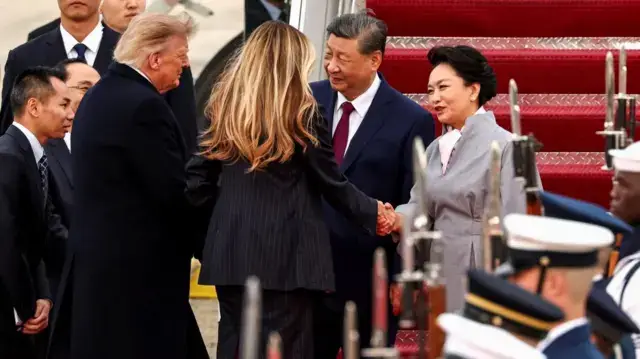
The latest trump news centers on a rare diplomatic welcome and a fresh development in US-China trade relations. Donald Trump personally welcomed Chinese President Xi Jinping at Joint Base Andrews on September 23. The unusual arrival ceremony opened Xi’s three-day state visit to Washington. It also came hours after the United States and China agreed to extend their temporary trade agreement until January 10.
The visit brings several major issues to the table. Trade remains a central concern, while artificial intelligence, Taiwan, critical minerals and wider security questions also shape the talks.
Trump and Xi have met before, but this visit carries a broader economic and technology agenda. Their discussions could affect businesses, technology companies and global markets that closely follow US-China policy.
For readers tracking donald trump, the meeting offers several developments worth watching as Washington and Beijing work through their differences.
Why Did Trump Welcome Xi Jinping at Joint Base Andrews?
Trump took an unusual step by traveling to Joint Base Andrews to meet Xi when the Chinese president arrived in the United States.
Trump and first lady Melania Trump greeted Xi and his wife, Peng Liyuan, on the tarmac. A military band played during the ceremony, while US service members lined a long red carpet. A B-1 bomber also flew over the base during the reception.
US presidents do not usually welcome foreign leaders at the military base. Reuters reported that the reception marked the first time in 11 years that a US president had personally welcomed a foreign leader there.
The ceremony therefore attracted attention before the formal talks even began.
Trump’s decision also highlighted the importance of Xi’s visit. The two countries maintain major economic ties while competing over technology, trade and strategic influence.
The formal schedule will continue with events at the White House and other locations in Washington.
What Happened to the US-China Trade Truce?
Trade remains one of the most important topics in the latest trump news.
US Treasury Secretary Scott Bessent said Washington and Beijing agreed to extend the “Busan Agreement” until January 10. The original arrangement had a November 10 deadline, giving both governments roughly two additional months for negotiations.
Bessent announced the extension after meeting Chinese Vice Premier He Lifeng in Washington.
The agreement provides additional time for both sides to work on economic issues. It also prevents the immediate expiration of the temporary arrangement.
However, the extension does not settle every trade disagreement.
US and Chinese officials still face questions about tariffs, exports and critical minerals. Businesses will continue watching government announcements because changes in trade policy can affect costs and supply chains.
The extension gives negotiators more time to address these issues before the new deadline arrives.
Why Is Artificial Intelligence Part of the Trump-Xi Talks?
Artificial intelligence has become another major area of US-China competition.
Both countries want stronger positions in advanced technology. AI can influence manufacturing, software, national security and future economic growth.
The issue has also brought major technology companies into the spotlight.
Officials planned a state dinner featuring leaders from major technology companies, including Apple, Nvidia and OpenAI. Reuters previously reported that several prominent technology executives were expected to attend.
The growing AI competition creates opportunities as well as policy challenges. Governments want faster technological development, while companies and experts continue debating safety and security.
Trump has repeatedly promoted US investment in AI and argued that the United States should maintain technological leadership.
For donald trump, AI policy therefore connects economic growth with technology and national security.
The Trump-Xi discussions could offer further insight into how Washington approaches competition with Beijing in this rapidly developing field.
What Other Issues Are on the Trump-Xi Agenda?
Trade and AI are only two parts of the wider agenda.
Taiwan remains one of the most sensitive issues in US-China relations. Beijing claims Taiwan as part of its territory, while Taiwan operates as a self-governing democracy.
Critical minerals also matter because they support important industries and advanced technologies.
Iran could also enter the wider discussions. The United States and China have different interests regarding Tehran and its economic relationships.
North Korea may also receive attention as Washington considers future diplomacy in the region.
These issues show why the summit extends beyond tariffs and economic policy.
The two governments must manage disagreements across several areas while keeping direct communication open.
That makes the outcome of individual discussions important for businesses, technology companies and international observers.
How Could the Trade Truce Affect Businesses?
The extended trade agreement could give businesses more time to plan around US-China trade policies.
Companies that depend on Chinese imports or US markets often need predictable trade conditions. Tariff changes can influence product prices, manufacturing costs and supply chains.
The January 10 extension gives companies additional time before the current arrangement reaches its new deadline.
However, businesses still need to monitor future negotiations.
The agreement remains temporary. A longer-term arrangement would require further discussions between Washington and Beijing.
Critical minerals also add another layer to the issue. These materials support several industries, including technology and manufacturing.
For companies with international operations, developments in the Trump-Xi talks could therefore have practical consequences.
Readers following trump news should watch both official announcements and changes in trade policy over the coming months.
What Does the AI Competition Mean for US-China Relations?
The AI race has expanded the relationship beyond traditional trade disputes.
The United States has introduced restrictions involving advanced technology and AI chips. China has also developed policies affecting technology exports and international supply chains.
Both countries want access to advanced computing resources and stronger AI capabilities.
This competition affects private technology companies as well as government agencies.
At the same time, both governments have discussed ways to communicate about serious AI-related risks. Reports before the summit indicated that Washington had proposed a notification mechanism for dangerous AI events.
Such discussions could create limited areas for communication even while technological competition continues.
The challenge for both sides involves protecting national interests while managing risks from rapidly advancing technology.
What Happens After Trump and Xi Meet?
The main focus will shift from ceremony to negotiations.
The leaders can discuss trade, AI, Taiwan, critical minerals and other areas of disagreement during the visit. The two governments can also use the summit to maintain direct communication.
The trade truce extension provides a specific deadline to watch: January 10.
Before that date, officials may negotiate additional arrangements or work toward a broader economic agreement.
Technology companies will also watch developments involving AI and advanced chips.
Businesses will continue monitoring tariffs and critical mineral policies because those decisions can affect international supply chains.
For anyone following donald trump, these developments may provide a clearer picture of the administration’s approach to China.
The coming months will show whether the temporary trade extension leads to further agreements or another round of negotiations.
Frequently Asked Questions
Why did Trump welcome Xi Jinping at the airport?
Trump traveled to Joint Base Andrews to personally welcome Xi Jinping at the beginning of his three-day US visit. The move marked an unusual presidential reception at the military base.
When does the US-China trade truce expire?
US Treasury Secretary Scott Bessent said the “Busan Agreement” has been extended until January 10, 2027.
What will Trump and Xi discuss?
The agenda includes trade, artificial intelligence, Taiwan, critical minerals and other geopolitical issues affecting US-China relations.
Why is AI important to the Trump-Xi meeting?
The US and China compete for leadership in artificial intelligence. Their policies can affect technology development, advanced chips, national security and global markets.
Will the trade truce solve US-China trade disputes?
The extension gives both countries more time to negotiate, but it does not resolve all existing trade disagreements. The new January deadline provides another point for future negotiations.
Conclusion
The latest trump news brings together diplomacy, trade and technology as Xi Jinping begins his US state visit.
Trump personally welcomed Xi at Joint Base Andrews before the leaders moved into their formal schedule. The unusual reception highlighted the importance of the visit, while the trade truce extension added a major economic development.
The extension until January 10 gives Washington and Beijing additional time to discuss their economic relationship. Trade remains important, but AI, Taiwan, critical minerals and regional security also form part of the wider agenda.
For businesses, the temporary agreement provides another period to monitor negotiations and prepare for possible policy changes.
For technology companies, the AI discussions could provide important signals about future US-China competition.
As the visit continues, the focus will move from the highly visible welcome ceremony to the substance of the talks.
For readers tracking donald trump, the next major developments will come from official statements, trade negotiations and decisions involving technology and international relations.
Stay updated with the latest Trump news, global business developments and major international events for timely updates.