
Does Olive Garden Promise Cheaper Food and More Options?
Olive Garden planned a major change to its restaurant experience while keeping one of its most recognizable features the famous endless breadsticks. The casual dining chain, known for family-style Italian food, faced declining sales and growing competition, which pushed its management to rethink its menu, branding, restaurant design, and customer experience.
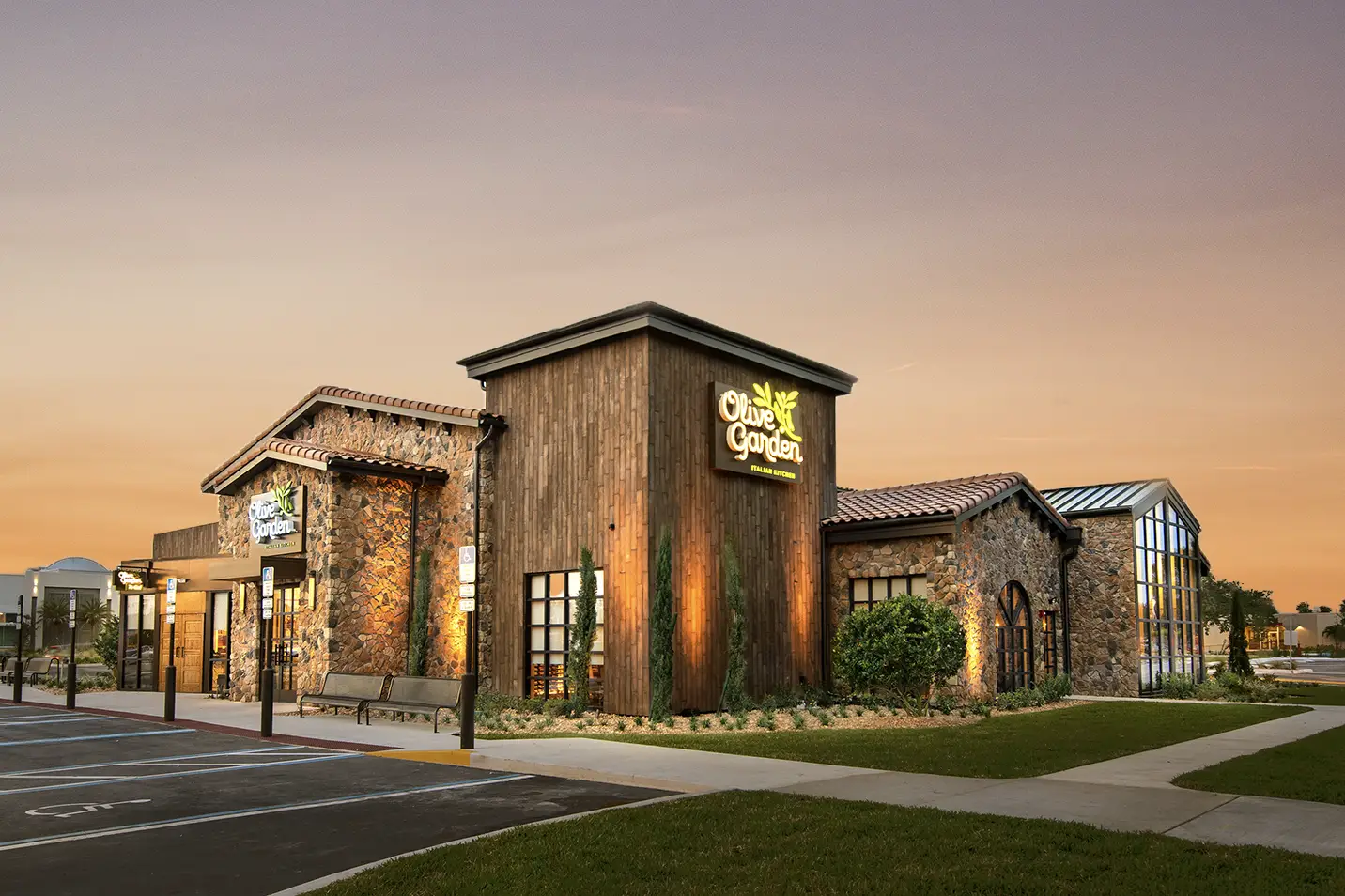
New Olive Garden president Dave George announced several changes, including a new logo and a softer version of the restaurant’s long-standing “Old World Style.” The chain planned to move away from some of its Tuscan-style stonework and wooden archways while creating a look that felt more relevant to modern customers.
The restaurant also planned to offer more affordable and varied food choices. Smaller plates, cheaper menu items, and lower-calorie meals formed part of the updated strategy.
These changes came as Olive Garden tried to respond to changing customer needs and a more difficult casual dining market. Management also recognized that the company had been slow to react to those changes.
Why Is Olive Garden Changing Its Restaurant Strategy?
Olive Garden began changing its strategy after facing weaker sales and increasing pressure in the casual dining market.
The chain had built a strong identity around Italian-inspired food, family dining, large portions, and its popular breadsticks. However, customer expectations continued to evolve, while competition from other restaurant formats became stronger.
Management wanted to make the restaurant more responsive to customers’ financial situations and dining preferences. That meant offering more food choices at different prices while also improving the overall restaurant experience.
The changes included menu updates, a new logo, redesigned uniforms, and adjustments to restaurant interiors.
Olive Garden did not plan to abandon its existing identity completely. Instead, the company wanted to modernize selected parts of the brand while keeping familiar elements that customers already associated with the restaurant.
This approach reflected a broader effort to make Olive Garden more relevant without completely changing what made the chain recognizable.
Are Olive Garden’s Endless Breadsticks Going Away?
No, the endless breadsticks were not going away as part of the planned changes.
The breadsticks remained one of Olive Garden best known features. Customers received them with entrees, and their popularity had become closely connected with the restaurant’s identity.
The company planned to change several aspects of the dining experience, but the breadsticks were not among the features targeted for removal.
This allowed Olive Garden to modernize its menu and appearance while keeping a familiar part of the customer experience.
The chain’s management understood that a complete departure from its established identity could create a very different restaurant experience. Instead, the planned changes focused on areas such as pricing, menu variety, branding, uniforms, and interior design.
For customers who enjoyed the traditional Olive Garden experience, the continued presence of the endless breadsticks provided a familiar element during the broader transformation.
Will Olive Garden Offer Cheaper Food and More Options?
Yes. Making the menu more varied and affordable formed an important part of Olive Garden’s planned changes.
Darden Restaurants CEO Clarence Otis said the company wanted its restaurants to respond more effectively to the financial realities of its guests.
Olive Garden planned to introduce smaller plates, cheaper items, and lower-calorie meals. These choices gave customers more flexibility when deciding what to order.
The company also introduced new menu options, including a 420-calorie lasagna primavera with chicken. Another option combined a lunch calzone and sandwich for $6.95.
These additions gave customers alternatives to some of the chain’s larger and more traditional meals.
The strategy also recognized that customers do not all have the same budget or appetite. Some guests may want a less expensive meal, while others may prefer smaller portions or lower-calorie choices.
By expanding its menu, Olive Garden aimed to make the restaurant more accessible to a wider range of customers.
What New Food Options Did Olive Garden Introduce?
Olive Garden’s menu changes included several options designed to provide more variety.
One new offering was a 420-calorie lasagna primavera with chicken. The restaurant also introduced a lunch combination featuring a calzone and sandwich for $6.95.
Smaller plates formed another part of the menu strategy. Rather than focusing only on larger meals, Olive Garden wanted customers to have more control over portion size and price.
Lower-calorie dishes also addressed changing customer preferences around food choices.
The company did not simply focus on adding more dishes. The broader goal involved creating a menu that could meet different customer needs.
Customers researching olive garden new menu items may notice that affordability and variety have remained important themes in the chain’s menu strategy.
The strategy gave Olive Garden more ways to compete in a casual dining market where customers had increasingly more choices.
Why Did Olive Garden Want More Affordable Choices?
Affordability became an important part of Olive Garden’s strategy because customers were dealing with changing financial conditions.
Darden Restaurants CEO Clarence Otis said the company wanted to become more responsive to the financial realities of its guests.
That meant giving customers more choices across different price levels. Smaller plates and cheaper menu items could help customers enjoy a restaurant meal without choosing the most expensive options.
Lower-calorie meals also expanded the menu for people who wanted lighter food.
The strategy did not simply focus on cutting prices. Olive Garden wanted to create a broader range of choices so customers could select meals based on appetite, budget, and dietary preferences.
People planning group meals may also look into olive garden catering when considering food options for larger gatherings, although the changes discussed here focused on the restaurant’s regular dining experience.
What Was on the Olive Garden Menu?
The restaurant offered a range of Italian-inspired dishes alongside its signature breadsticks.
At one restaurant outside Seattle, a grilled chicken Caesar salad cost $11.95. A bowl of minestrone soup cost $5.95, while spaghetti with meat sauce cost $12.95.
These examples show that the chain offered several choices at different price points.
The olive garden soups category also included familiar options such as minestrone, giving customers lighter choices alongside pasta and other entrees.
Prices could vary by location even though the menus were largely similar across the chain’s restaurants.
The breadsticks remained a consistent part of the dining experience and came with every entree.
Why Did Olive Garden Change Its Restaurant Design?
Olive Garden also planned to update its restaurant interiors.
The chain had used an “Old World Style” for years, with Tuscan-inspired stonework and wooden archways forming an important part of its restaurant design since 2000.
Dave George said the company wanted the look to feel more relevant. However, Olive Garden did not plan to replace the existing style with an entirely modern industrial design.
Instead, the restaurant planned to tone down some of the traditional Tuscan elements.
The goal was to create a more contemporary environment while maintaining enough of the familiar Olive Garden atmosphere.
People searching for olive garden pictures may notice how the chain’s visual identity has changed across different periods.
This design update formed part of a wider brand refresh that also included a new logo and updated employee uniforms.
Did Olive Garden Change Its Employee Uniforms?
Yes. Olive Garden also updated its employee uniforms as part of the restaurant overhaul.
The new uniforms featured contemporary black button-down shirts and black slacks. This represented a change from the previous white shirts and wide ties.
The updated clothing matched the company’s broader effort to create a more contemporary image.
Although uniforms may seem like a small part of restaurant operations, they contribute to the overall appearance customers see when they enter a restaurant.
Olive Garden’s decision to update its uniforms alongside its logo, menu, and interior design showed that the company wanted to refresh several parts of its brand at the same time.
The new look also supported the company’s goal of making the restaurant feel more relevant to current customers.
Why Did Olive Garden Need a Major Overhaul?
The restaurant’s planned overhaul followed a decline in same-restaurant sales.
Olive Garden’s same-restaurant sales fell 1.2 percent during the 2012 fiscal year, which ended in May.
Darden Restaurants used same-restaurant sales to compare sales volumes from restaurants operating during the relevant period. A decline in this figure indicated that the chain faced challenges attracting and retaining customer traffic.
Olive Garden’s management acknowledged that the company had become overly confident in its historical strengths.
One presentation from George stated that the chain’s historical competitive advantage had narrowed.
Management also recognized that Olive Garden had been slow to respond to changing guest needs. Another concern involved the length of the dining experience, with the company acknowledging that the experience could take too long.
These issues created pressure for the chain to rethink how it operated and how customers experienced the brand.
How Did Competition Affect Olive Garden?
Olive Garden was not the only casual dining chain facing challenges.
The broader casual dining market had become more competitive, according to restaurant analyst RJ Hottovy of Morningstar.
Fast-casual restaurants such as Chipotle and Panera had also expanded their presence and competed for customers who might otherwise choose traditional casual dining restaurants.
Fast-casual restaurants can offer a different combination of price, convenience, speed, and food choices. That created additional pressure for established chains such as Olive Garden.
Hottovy noted that the core casual dining customer faced a more difficult financial environment than a decade earlier.
Those changing conditions affected restaurant traffic and forced established brands to reconsider their strategies.
For Olive Garden, the response involved more affordable food, menu variety, updated branding, and efforts to improve the dining experience.
Who Is the Owner of Olive Garden?
Olive Garden operates under Darden Restaurants, the Orlando, Florida-based restaurant company that also operates brands such as Red Lobster and LongHorn Steakhouse.
Therefore, when people search owner of olive garden, they are referring to the corporate ownership behind the Olive Garden brand rather than an individual restaurant owner.
The connection with Darden Restaurants also explains why decisions affecting Olive Garden formed part of a wider restaurant-company strategy.
Darden’s leadership discussed Olive Garden’s performance, customer needs, pricing, and competitive position as the company considered changes to the brand.
Did Olive Garden Face Other Business Challenges?
The restaurant chain also faced controversy related to employee hours and healthcare costs.
Reports in November suggested that Darden Restaurants planned to reduce employee hours to avoid certain healthcare costs under the Affordable Care Act.
The company later said it would not reduce the hours of full-time workers.
Restaurant analyst RJ Hottovy described the issue as part of a broader restaurant industry challenge rather than a problem unique to Olive Garden.
He suggested that healthcare-related costs could place pressure on restaurant margins across the industry.
This issue added another layer to the challenges facing Darden Restaurants and its brands.
Olive Garden therefore had to respond not only to customer preferences and competition but also to wider operating pressures affecting the restaurant industry.
How Much Did Olive Garden Food Cost?
Olive Garden menus were largely similar across its restaurants, although prices could vary depending on location.
At one restaurant outside Seattle, a grilled chicken Caesar salad cost $11.95. A bowl of minestrone soup cost $5.95, while spaghetti with meat sauce cost $12.95.
These prices showed how Olive Garden offered several types of meals at different price points.
Customers checking an olive garden menu could find traditional Italian-inspired meals alongside lighter and more affordable choices.
The restaurant’s breadsticks also remained a recognizable part of the dining experience and came with every entree.
At the time, the popularity of the breadsticks extended beyond the restaurants themselves. A Facebook page dedicated to Olive Garden breadsticks had attracted around 1.5 million likes.
The combination of familiar food, recognizable breadsticks, and new affordable choices formed an important part of Olive Garden’s strategy as it worked to address changing customer expectations.
What About Olive Garden Promotions and Special Offers?
Customers often look for restaurant promotions when deciding where to eat, particularly when menu prices matter.
Searches such as olive garden online coupon reflect that interest in discounts and promotional offers. However, promotions can change by location, time period, and restaurant policy.
The changes discussed in the company’s strategy focused primarily on menu affordability rather than a specific coupon program.
Olive Garden’s planned cheaper items and smaller plates were intended to give customers more choices without requiring every guest to select the largest or most expensive meal.
Customers should check current official restaurant information for any available offers before making a purchase.
Does Olive Garden Have Veterans Day Offers?
Special restaurant promotions can also attract attention around holidays and national observances.
People searching olive garden veterans day may be looking for information about potential offers or restaurant policies for veterans.
However, promotions and eligibility rules can change from one year to another. The historical changes discussed in this article focused on Olive Garden’s broader menu, branding, and customer strategy rather than a specific Veterans Day promotion.
Customers should verify current offers and terms directly with the restaurant before visiting.
What Did Olive Garden Management Say About Customer Needs?
Management openly acknowledged that Olive Garden had not reacted quickly enough to changing guest needs.
One of the company’s presentation statements said the restaurant had become overly confident. Another noted that its historical competitive advantage had narrowed.
The company also recognized that the dining experience could take too long.
These statements showed that Olive Garden’s planned changes involved more than simply adding cheaper food.
The company needed to consider how customers viewed the entire experience, including the menu, restaurant atmosphere, service, pricing, and brand image.
The updated strategy attempted to address several of those areas at once.
Rather than completely abandoning the restaurant’s traditional identity, management focused on making selected aspects of the experience more current and responsive.
Frequently Asked Questions
Does Olive Garden promise cheaper food and more options?
Yes. Olive Garden planned to make its menu more varied and affordable by introducing smaller plates, cheaper items, and lower-calorie meals.
Are Olive Garden’s endless breadsticks going away?
No. The planned restaurant changes did not include removing the famous endless breadsticks. They remained an important part of the Olive Garden experience.
Why is Olive Garden changing its menu?
Olive Garden wanted to respond to changing customer needs and financial pressures. The company planned more varied meals, smaller portions, lower-calorie choices, and cheaper options.
What new food did Olive Garden add?
New options included a 420-calorie lasagna primavera with chicken and a lunch combination featuring a calzone and sandwich for $6.95.
Is Olive Garden changing its restaurant design?
Yes. The company planned to tone down some of its Tuscan-inspired “Old World Style” while creating a more contemporary and relevant appearance.
Did Olive Garden introduce new uniforms?
Yes. The restaurant introduced black button-down shirts and black slacks, replacing the previous white shirts and wide ties.
Why did Olive Garden sales decline?
Olive Garden faced changing customer needs, tougher competition in casual dining, and competition from fast-casual restaurants such as Chipotle and Panera. Same-restaurant sales fell 1.2 percent during the 2012 fiscal year.
Who is the owner of Olive Garden?
Olive Garden operates under Darden Restaurants, a restaurant company based in Orlando, Florida.
What did Olive Garden say about its customer experience?
Management acknowledged that the company had been slow to react to changing guest needs and said the dining experience took too long.
Conclusion
Olive Garden’s planned changes focused on making the restaurant more affordable, varied, and relevant while keeping familiar features such as its endless breadsticks.
The chain planned smaller plates, cheaper menu items, lower-calorie meals, a new logo, updated uniforms, and changes to its Tuscan-inspired restaurant design. These changes came after same-restaurant sales fell 1.2 percent during the 2012 fiscal year.
The company also faced stronger competition from fast-casual restaurants such as Chipotle and Panera. At the same time, management recognized that customer needs had changed and that Olive Garden had been slow to respond.
The strategy therefore went beyond simply lowering food prices. Olive Garden wanted to provide more choices while updating its overall brand and dining experience.
For customers, the planned changes meant more affordable and varied food options without losing one of the chain’s most recognizable traditions. The endless breadsticks remained, while Olive Garden worked to create a more contemporary experience for its guests.
You may also like



Leave a Reply