
Rodent nests and dead mice found near the New Mexico home where actor Gene Hackman and his wife Betsy Arakawa died have raised questions about hantavirus and how people can become infected.
Health officials confirmed that Arakawa, 65, died from a respiratory illness linked to hantavirus. Investigators later found evidence of rodents in several detached buildings around the property, including rodent droppings, a live rodent, dead rodents and nests.
The findings highlight an important health concern: rodent waste can sometimes carry viruses that cause serious disease. People may not notice a risk when they see mouse droppings in a garage, shed, vehicle or other enclosed space. However, disturbing contaminated material can release particles into the air.
So, what is hantavirus, how does it spread, and what symptoms should people watch for?
What Is Hantavirus?
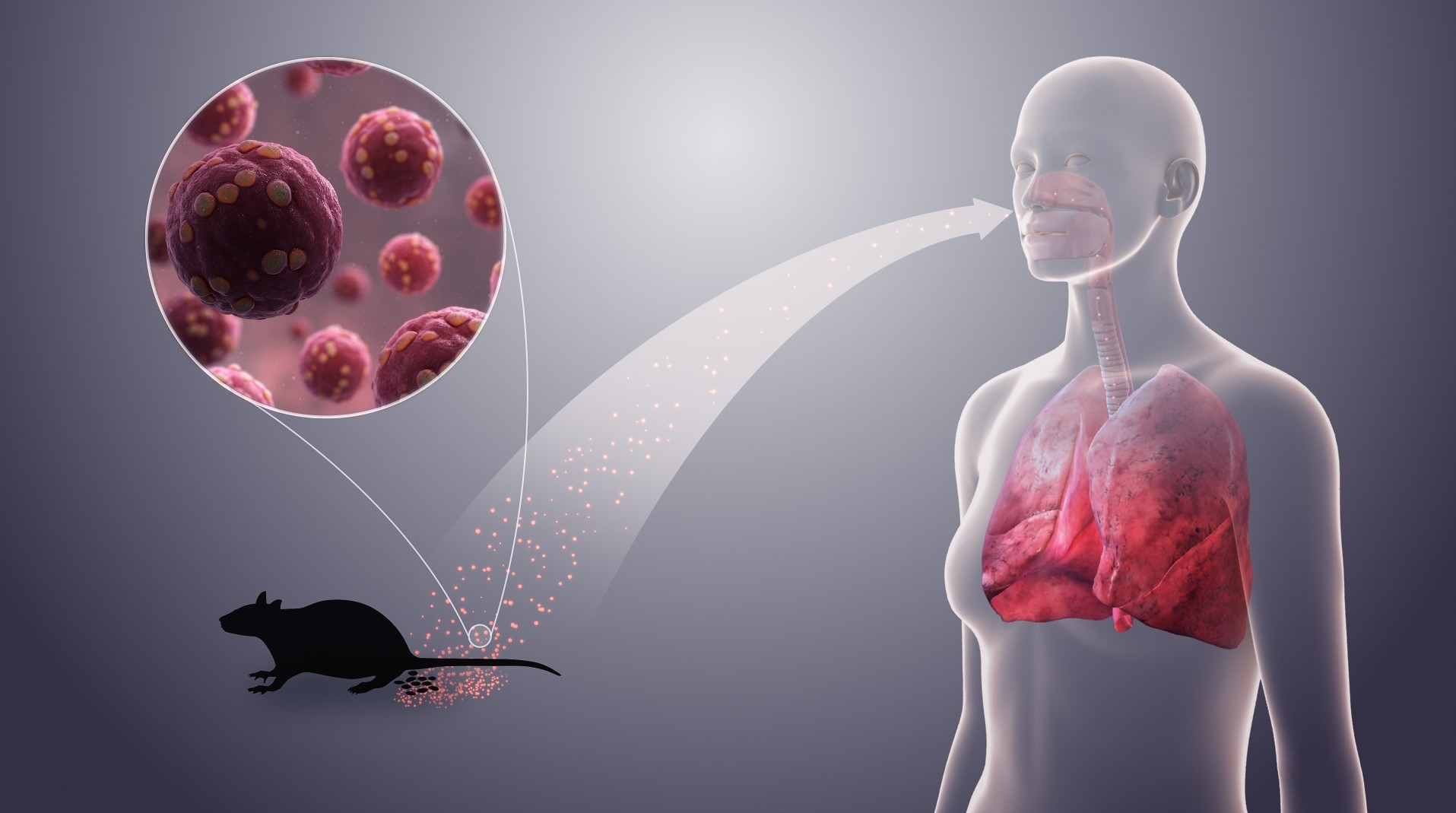
Hantavirus refers to a group of viruses carried mainly by rodents. People can become infected when they inhale particles contaminated with infected rodent urine, droppings or saliva.
In the United States, hantavirus infections can cause hantavirus pulmonary syndrome (HPS), a serious condition that affects the lungs. The illness can begin with symptoms that resemble other common infections, but it can progress quickly.
According to the Centers for Disease Control and Prevention (CDC), HPS can cause severe respiratory problems. The CDC reports a mortality rate of approximately 38% once respiratory symptoms develop.
The risk does not come simply from seeing a mouse. The greater concern involves contact with contaminated material, particularly when people disturb dried droppings or other rodent waste.
Why Are Mouse Droppings a Health Concern?
People often search for terms such as mouse poop disease or mice poop sickness when they discover rodent droppings around their homes.
Mouse droppings do not automatically mean that someone will develop hantavirus. However, infected rodents can contaminate their surroundings through urine, droppings and saliva.
When contaminated material dries, cleaning or disturbing it can potentially send particles into the air. A person may then inhale those particles.
This makes enclosed areas such as garages, sheds, storage rooms and abandoned vehicles important places to inspect for rodent activity. People should take extra care when they find nests, droppings or dead rodents in these areas.
The investigation into the Hackman-Arakawa property found rodent evidence in eight detached buildings. Officials reported rodent faeces, a live rodent, a dead rodent and a nest in three garages. They also found additional droppings in two small external buildings and three sheds.
How Are Hantavirus and Mice Connected?
The connection between hantavirus mice and human infection comes from the role rodents can play as carriers of the virus.
Hantavirus does not spread because every mouse carries the virus. Instead, certain rodents can carry specific hantaviruses and contaminate their surroundings.
At the New Mexico property, officials found signs of rodents in several buildings and even in two abandoned vehicles or pieces of farming machinery. The eight detached buildings stood within 50 yards of the main house.
Interestingly, health officials described the main house as clean and reported no signs of rodent activity there.
This shows why people should pay attention to outbuildings and storage areas as well as the main living space. A garage, shed or rarely used vehicle can provide conditions where rodents may build nests and leave waste undisturbed.
What Are the Symptoms of Hantavirus?
The symptoms of hantavirus can initially appear similar to other illnesses. Medical investigators said Arakawa developed hantavirus pulmonary syndrome, a life-threatening lung condition.
Symptoms can include:
- Fatigue
- Fever
- Muscle aches
- Dizziness
- Abdominal problems
- Breathing difficulties as the illness progresses
The early symptoms may not immediately point to hantavirus. That can make the condition difficult to recognize, especially when someone has had possible rodent exposure.
HPS can progress quickly once respiratory symptoms appear. According to the CDC information cited in the original report, the mortality rate at that stage is approximately 38%.
Anyone who develops serious respiratory symptoms after significant exposure to rodents or their waste should seek urgent medical attention and explain the possible exposure to a healthcare professional.
Is Hantavirus Contagious?
A common question is: is hantavirus contagious?
The answer depends on the specific hantavirus and the type of infection. The hantavirus discussed in the United States in relation to HPS primarily spreads to people through exposure to infected rodents or contaminated materials.
The CDC states that infections typically occur when the virus becomes airborne from infected rodent urine, droppings or saliva.
This means the main concern involves environmental exposure rather than casual contact with another person. The original case involving Arakawa was linked to respiratory illness caused by hantavirus exposure.
Because different hantaviruses can behave differently, people should rely on medical and public-health guidance when they have a suspected exposure.
How Common Is Hantavirus in the US?
Hantavirus infections remain relatively uncommon in the United States, but the illness can become extremely serious.
The CDC reported 864 cases of hantavirus in the US between 1993 and 2022. Most cases occurred in rural western states.
The relatively low number of reported cases does not mean people should ignore rodent infestations. Anyone living or working around areas with rodent activity should take reasonable precautions, particularly when cleaning enclosed spaces containing droppings or nests.
What Does the Gene Hackman Case Tell Us?
Authorities found Gene Hackman and Betsy Arakawa dead at their Santa Fe home in February 2025.
Officials later determined that Arakawa died from hantavirus pulmonary syndrome. Investigators believed she died around 12 February, while Hackman died around 18 February. Authorities discovered their bodies on 26 February.
An environmental assessment took place on 5 March. Investigators found multiple signs of rodent activity in detached buildings around the property.
Hackman’s cause of death was severe heart disease, while advanced Alzheimer’s disease contributed to his death. Experts also told the BBC that his Alzheimer’s may have prevented him from realizing that his wife had died.
The case drew attention to the potential dangers associated with rodent-infested areas and the importance of recognizing possible exposure.
How Can People Reduce Rodent-Related Risks?
Preventing rodent activity can reduce the chance of exposure to contaminated waste.
People can take practical steps around homes and other buildings:
- Seal gaps where rodents could enter.
- Keep food stored in secure containers.
- Remove sources of food and water that attract rodents.
- Check garages, sheds and storage areas regularly.
- Avoid disturbing rodent nests or droppings.
- Take appropriate precautions when cleaning areas with rodent waste.
- Seek professional pest-control help when an infestation is extensive.
People should also pay attention to rarely used buildings, vehicles and storage spaces. These locations can allow rodents to remain undetected for long periods.
When Should You Seek Medical Help?
People who have had significant rodent exposure should pay attention to their health, particularly if they develop symptoms such as fever, severe fatigue, muscle aches or breathing problems.
Hantavirus pulmonary syndrome can become life-threatening after respiratory symptoms develop. Early medical evaluation can help doctors consider possible causes and determine appropriate treatment.
If you believe you may have been exposed to infected rodents and develop concerning symptoms, tell your healthcare provider about the exposure. This information can help them assess the situation more effectively.
FAQs About Hantavirus
Can mouse droppings make you sick?
Rodent droppings can contain infectious material when they come from an infected rodent. Disturbing dried waste can potentially release contaminated particles into the air.
What disease can you get from mouse poop?
People commonly search for mouse poop disease when asking about illnesses linked to rodent waste. Hantavirus is one serious disease associated with exposure to infected rodents and contaminated droppings.
What are the main symptoms of hantavirus?
The main symptoms can include fatigue, fever, muscle aches, dizziness and abdominal problems. Severe respiratory symptoms can develop as hantavirus pulmonary syndrome progresses.
Is hantavirus contagious between people?
The main US form of hantavirus associated with HPS usually spreads through exposure to infected rodents or contaminated material rather than ordinary person-to-person contact. Different hantaviruses can have different transmission patterns.
Are all mice infected with hantavirus?
No. The presence of mice does not automatically mean that they carry hantavirus. However, people should take reasonable precautions when they find rodent droppings, nests or dead rodents.
Conclusion
The discovery of rodent nests and waste near the home where Betsy Arakawa died has renewed attention on hantavirus and the risks associated with rodent exposure.
The case also shows why people should not ignore signs of rodents in garages, sheds, vehicles or other enclosed spaces. Rodent droppings and nests can indicate an environment that requires careful cleaning and appropriate precautions.
Understanding the symptoms of hantavirus, how exposure can occur and when to seek medical attention can help people respond more safely to potential rodent-related risks.
If you discover significant rodent activity or develop concerning symptoms after possible exposure, seek professional pest-control or medical advice rather than attempting to handle a serious infestation or illness on your own.



2 thoughts on “Hantavirus Could Mice Droppings Cause Serious Illness?”