A virus hantavirus outbreak can cause public concern. However, understanding how hantavirus spreads can reduce unnecessary fear.
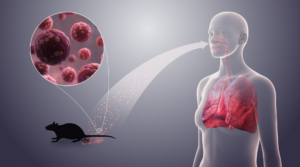
Hantavirus refers to a group of viruses carried mainly by rodents. People can become infected after contact with infected rodents or contaminated materials.
Some hantaviruses can cause serious respiratory illness. Others can affect the kidneys and cause different symptoms.
Recent reports have also raised interest in cruise ship hantavirus cases. These reports involve Andes virus, which has some important differences from other hantaviruses.
Understanding the source, symptoms, and prevention steps can help people respond appropriately.
What Is Hantavirus?
Hantavirus is a group of viruses that can infect humans. Different strains occur in different parts of the world.
In the Americas, some hantaviruses can cause hantavirus pulmonary syndrome, commonly called HPS. This illness can severely affect the lungs.
Other strains can cause hemorrhagic fever with renal syndrome, or HFRS. This condition can affect the kidneys.
Rodents are the primary carriers of hantaviruses. Different rodent species can carry different virus strains.
People usually become infected after exposure to contaminated rodent urine, droppings, saliva, or nesting materials.
Contaminated dust can also become a concern during cleaning. Disturbing dried waste can release infected particles into the air.
How Does Hantavirus Spread?
Hantavirus usually spreads through exposure to infected rodents.
An infected rodent can release the virus through urine, saliva, and feces. The virus can contaminate nearby surfaces and materials.
People may inhale contaminated particles while cleaning an infested area. Direct contact with contaminated materials can also create exposure.
Rodent bites and scratches may transmit the virus. However, these routes are less common.
Most hantaviruses are not easily transmitted between people. This fact is important when assessing any reported outbreak.
However, Andes virus behaves differently. Person-to-person transmission has been documented with this virus.
Why Has Cruise Ship Hantavirus Received Attention?
Recent reports involving an affected cruise ship have increased public interest.
The cruise ship hantavirus situation involved Andes virus. The outbreak was associated with the M/V Hondius cruise ship.
The World Health Organization reported severe respiratory illness among passengers and crew.
By July 2, 2026, 13 cases had been identified. Twelve cases were laboratory-confirmed, while one was considered probable.
Three deaths were also reported.
All reported cases involved people who had traveled aboard the ship.
Public health teams followed identified contacts after the cases were discovered. No additional transmission was detected during that monitoring period.
WHO later assessed the outbreak as contained.
What Happened in the Hantavirus Outbreak Cruise Ship Case?
The hantavirus outbreak cruise ship investigation focused on possible exposure among passengers and crew.
The cases were associated with a cruise journey involving the M/V Hondius.
Unlike many hantavirus infections, Andes virus can spread between people. Therefore, close contact between passengers and crew required careful monitoring.
Health authorities followed people who could have been exposed. They also monitored contacts for possible symptoms.
The absence of additional detected transmission was an important finding.
It also shows why public health monitoring matters during unusual infectious disease events.
An outbreak does not automatically mean that widespread community transmission is occurring.
What Are the Early Symptoms?
Early hantavirus symptoms can look similar to other common illnesses.
People may experience:
- Fever
- Fatigue
- Muscle aches
- Headache
- Chills
- Dizziness
- Nausea
- Vomiting
- Diarrhea
- Abdominal pain
These symptoms can make early recognition difficult.
Respiratory symptoms may develop later in people with HPS.
A person can develop coughing and increasing difficulty breathing. Severe cases can progress quickly.
Anyone with possible rodent exposure should tell their healthcare provider about it.
That information can help doctors consider hantavirus during diagnosis.
When Can Hantavirus Become Dangerous?
Hantavirus can become serious when respiratory symptoms develop.
HPS can cause fluid to build up in the lungs. This can make breathing increasingly difficult.
A person’s condition may worsen rapidly after respiratory symptoms begin.
For this reason, severe breathing problems require urgent medical attention.
People should not wait for symptoms to become extreme before seeking help.
Early medical evaluation can help doctors identify serious infections and provide appropriate supportive care.
Can Hantavirus Spread Between People?
This depends on the specific hantavirus involved.
Most hantaviruses associated with HPS do not commonly spread between people.
Andes virus is an important exception.
Person-to-person transmission has been documented with Andes virus. Close and prolonged contact can increase the potential risk.
This difference explains why certain outbreaks receive additional public health attention.
It also means that the word “hantavirus” does not describe one identical transmission pattern.
The specific virus involved matters.
What Should You Do After Rodent Exposure?
Do not panic after seeing a mouse or rodent.
A single sighting does not mean that infection has occurred.
Instead, focus on reducing further exposure.
Avoid touching rodent droppings, urine, or nesting materials directly. Do not sweep or vacuum contaminated waste immediately.
These actions can disturb contaminated particles.
Follow recommended cleaning procedures when dealing with rodent waste.
For heavy infestations, professional pest control may provide a safer solution.
You should also seal openings where rodents can enter your home.
How Can You Prevent Hantavirus?
Prevention starts with controlling rodent exposure.
Seal holes around doors, windows, walls, and utility openings.
Store food inside tightly sealed containers. Keep garbage covered and remove food waste regularly.
Reduce clutter around garages, sheds, storage rooms, and other enclosed areas.
Check unused buildings before entering them.
Rodents often hide in quiet and undisturbed locations.
Regular inspection can help identify problems before an infestation becomes serious.
If rodent activity is discovered, avoid unnecessary contact with contaminated materials.
How Should You Clean Rodent Droppings?
Cleaning requires extra care when rodent contamination is present.
Do not immediately sweep or vacuum droppings. These actions can send contaminated particles into the air.
Ventilate the area when appropriate before cleaning.
Wear suitable protective equipment and follow public health recommendations.
Use approved disinfecting methods for contaminated surfaces.
Place contaminated waste into suitable disposal bags according to local guidance.
If a building has extensive contamination, consider professional cleaning assistance.
These precautions can reduce unnecessary exposure during cleanup.
Who Has a Higher Risk?
People who regularly work around rodents may face greater exposure.
Higher-risk activities can include:
- Cleaning rodent-infested buildings
- Working in barns
- Farming
- Pest control
- Entering unused cabins
- Handling contaminated materials
- Working in poorly maintained storage areas
Campers can also encounter rodents in cabins and outdoor structures.
Risk increases when people disturb areas containing rodent nests or waste.
Good hygiene and rodent control can reduce these risks.
Is There a Vaccine for Hantavirus?
There is currently no widely available vaccine for Andes virus.
There is also no specific treatment that directly eliminates the virus.
Medical care mainly focuses on supporting the patient’s condition.
Severe cases may require intensive hospital treatment.
Respiratory failure can become a major concern with HPS.
This makes early recognition and medical evaluation particularly important.
Does Every Hantavirus Outbreak Create a Public Health Emergency?
No.
The risk depends on the virus, transmission route, exposure level, and number of cases.
A reported virus hantavirus outbreak does not automatically indicate widespread community transmission.
The recent cruise ship event demonstrates this difference.
Health authorities identified cases, followed contacts, and monitored possible transmission.
No additional transmission was detected during the reported follow-up period.
Therefore, people should focus on verified public health information rather than assuming that every outbreak poses the same risk.
What Should Travelers Know About Cruise Ship Outbreaks?
Travelers should pay attention to official health information when an infectious disease event occurs.
People who traveled on an affected ship may receive specific instructions from health authorities.
Anyone who develops compatible symptoms should mention recent travel and possible exposure.
This information can help healthcare professionals assess potential causes.
Travelers should also avoid sharing unverified information about outbreaks.
Official health agencies remain the best source for current guidance.
What Is the Main Takeaway?
Hantavirus can cause serious disease, but exposure usually occurs through infected rodents or contaminated environments.
Most hantaviruses do not spread easily between people.
Andes virus is different because person-to-person transmission has occurred.
The recent hantavirus outbreak cruise ship investigation shows why contact monitoring can matter.
It also demonstrates that an outbreak does not automatically mean widespread transmission.
People can reduce their risk by controlling rodents and avoiding contaminated materials.
If serious symptoms develop after possible exposure, medical care should be sought quickly.
Understanding how hantavirus spreads is one of the best ways to respond calmly and safely.